
INQUIRE BOOK SERIES
Published by Viella in Rome, the INQUIRE series offers scholarly works on the history of the inquisitions and religious repression, ranging from the middle ages to the modern period, in Europe and in the Iberian colonial territories. It presents collections of essays, monographs, and editions of primary sources.
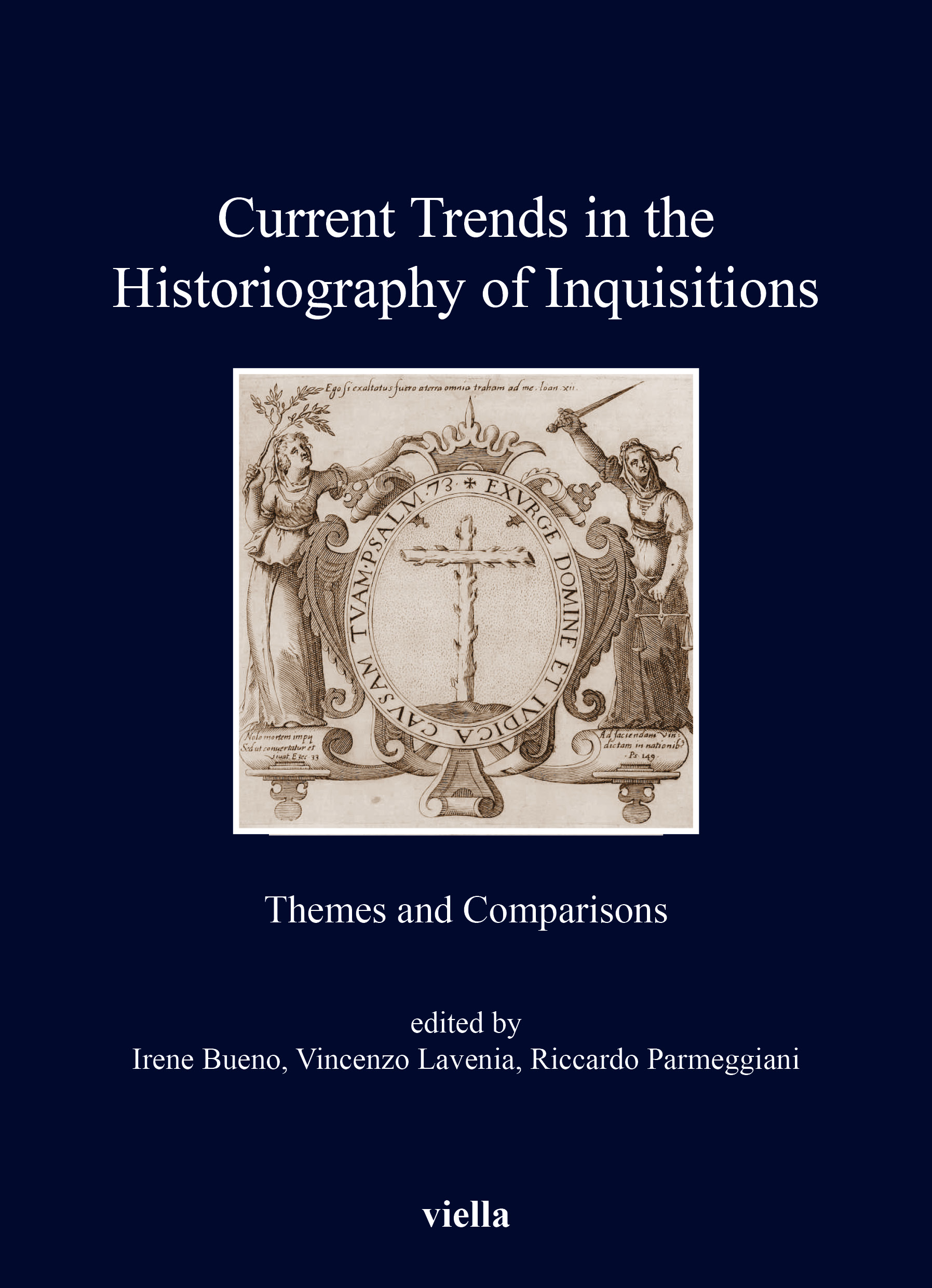
Current Trends in the Historiography of Inquisitions: Themes and Comparisons
This volume launches the book series of “Inquire – International Centre for Research on Inquisitions” of the University of Bologna, a research network that engages with the history of religious justice from the 13th to the 20th century. This first publication offers twenty chapters that take stock of the current historiography on medieval and early modern Inquisitions (the Spanish, Portuguese and Roman Inquisitions) and their modern continuations. Through the analysis of specific questions related to religious repression in Europe and the Iberian colonial territories extending from the Middle Ages to today, the contributions here examine the history of the perception of tribunals and the most recent historiographical trends. New research perspectives thus emerge on a subject that continues to intrigue those interested in the practices of justice and censorship, the history of religious dissent and the genesis of intolerance in the Western world and beyond.
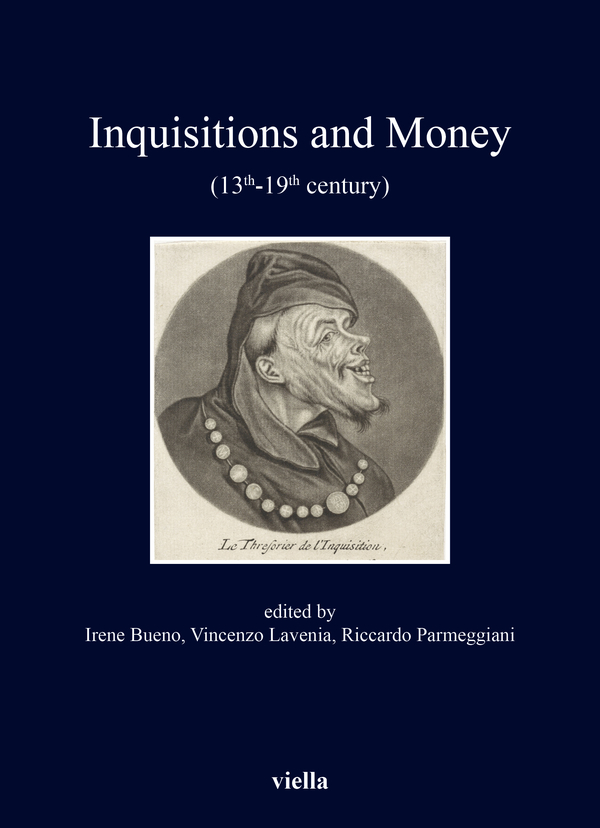
The Inquisitor as rapacious hunter of wealth and enemy of usurers? Beyond the long-standing Black Legend, this volume brings together different perspectives to explore the controversial relationship between the courts of faith and money from the late Middle Ages to the modern era. In the first part, contributions focus on the budgets of judicial offices, the use of economic resources by magistrates and their assistants, and the history of confiscations and fines imposed on heretics and apostates. In the second part, the authors analyse the Inquisition’s assessment of wealth, money lending, credit and early forms of finance. In the third part, essays deal with specific issues such as the legitimisation of the slave trade from the 16th to the 19th centuries, Christian-Jewish relations, the expropriation of the Moriscos in Spain and the use of slaves as a resource in New World courts.
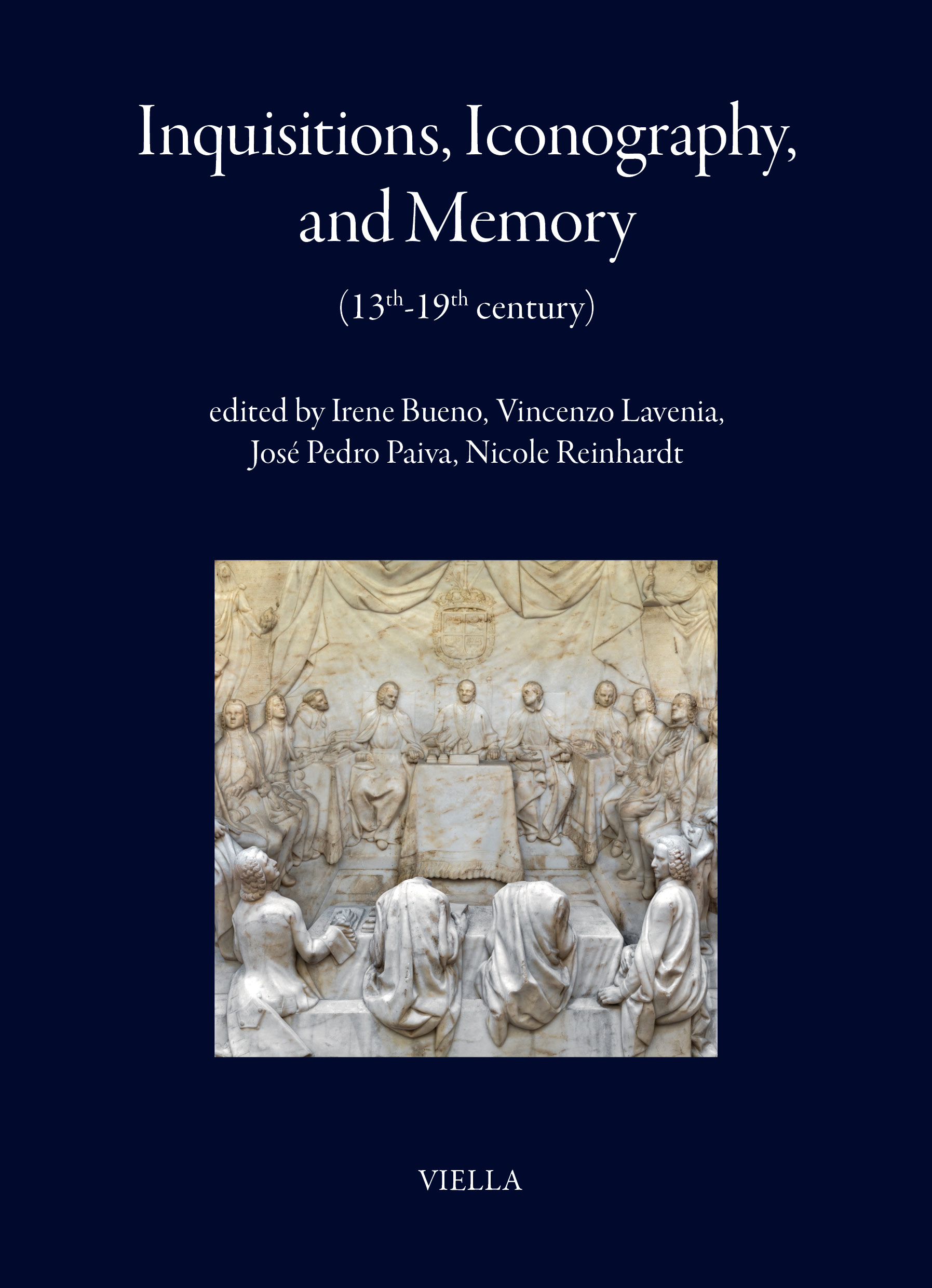
Inquisitions, Iconography, and Memory (13th-19th century)
The iconographical dimension of the Inquisitions has remained largely overlooked by scholarship in the field. This volume investigates afresh and from diverse perspectives the nexus between the iconography, memory, and visual representations of the Inquisitions across the longue durée and in different geographical areas. By bringing together medievalists and early modernists, specialists on the three major modern Inquisitions as well as on the heterodox movements which these tribunals sought to suppress, the collected essays delve into the many-layered iconographical legacies of the European Inquisitions, analyze their interplay with textual sources, and seek to understand how the imagery contributed to build the social prestige and shape the memory of these institutions.
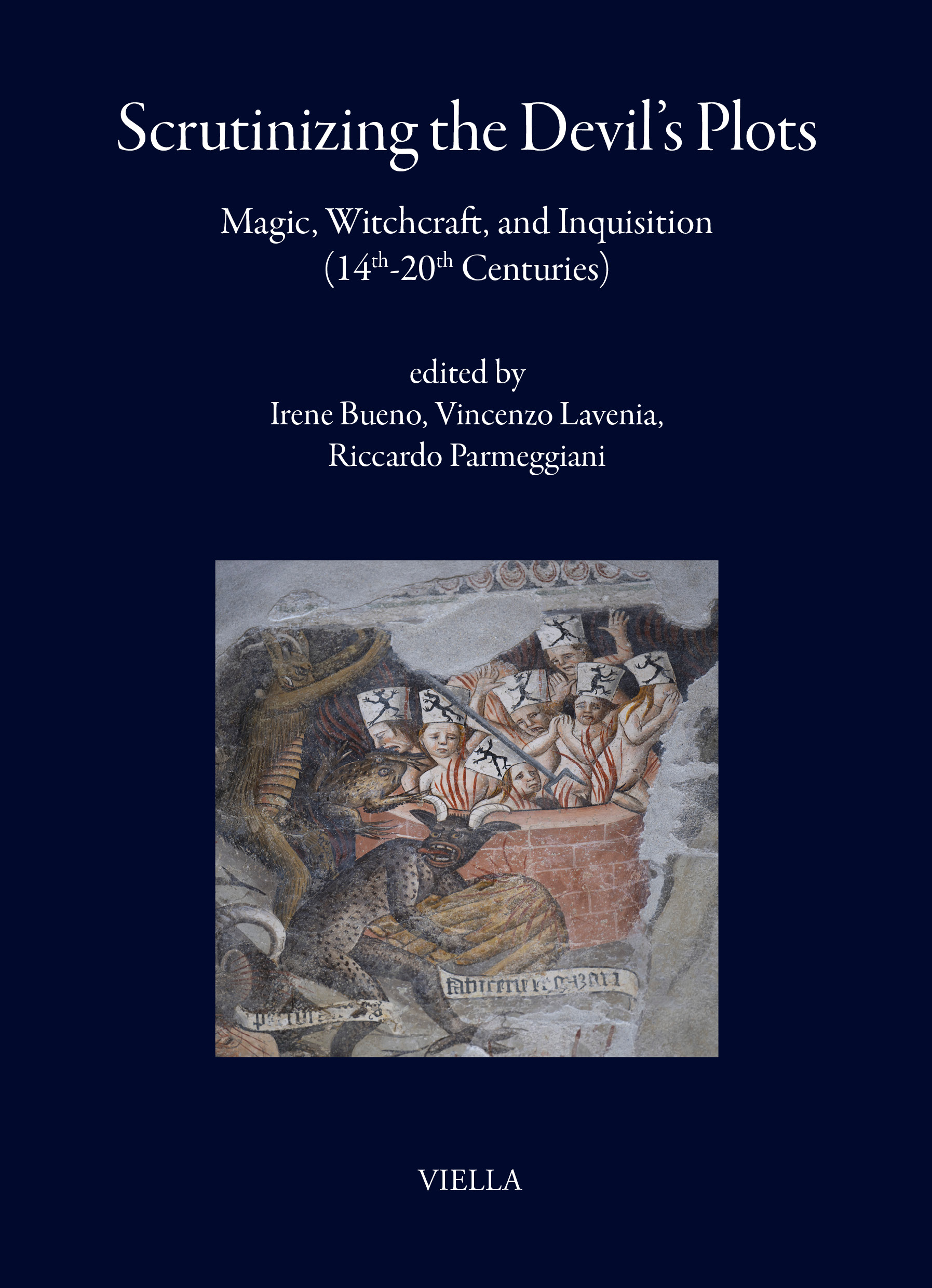
Scrutinizing the Devil’s Plots: Magic, Witchcraft, and Inquisition (14th-20th Centuries)
This volume revisits one of early modern Europe’s most emblematic episodes of witch-hunting – the trials held between 1587 and 1589 in Liguria – and situates it within the broader history of repression, belief, and judicial culture across the Alpine region and the Latin Christian world. Grounded on original archival research and comparative perspectives, it explores how the Inquisitions confronted and conceptualised witchcraft from the late Middle Ages onwards. The volume investigates demonological thought, inquisitorial procedure, and the circulation of ideas and fears across Western Europe and its colonial frontiers. Particular attention is devoted to the evolution of legal, theological, and literary discourses on witchcraft, as well as the entanglements of gender and confession. The essays further examine the transformations of magical belief within broader processes of state formation, evangelisation, and cultural exchange.